Participation area Waterside Rotterdam

Participation area Waterside Rotterdam

Client Foundation Area Development on the Maas and Municipality of Rotterdam

Partner Campagne

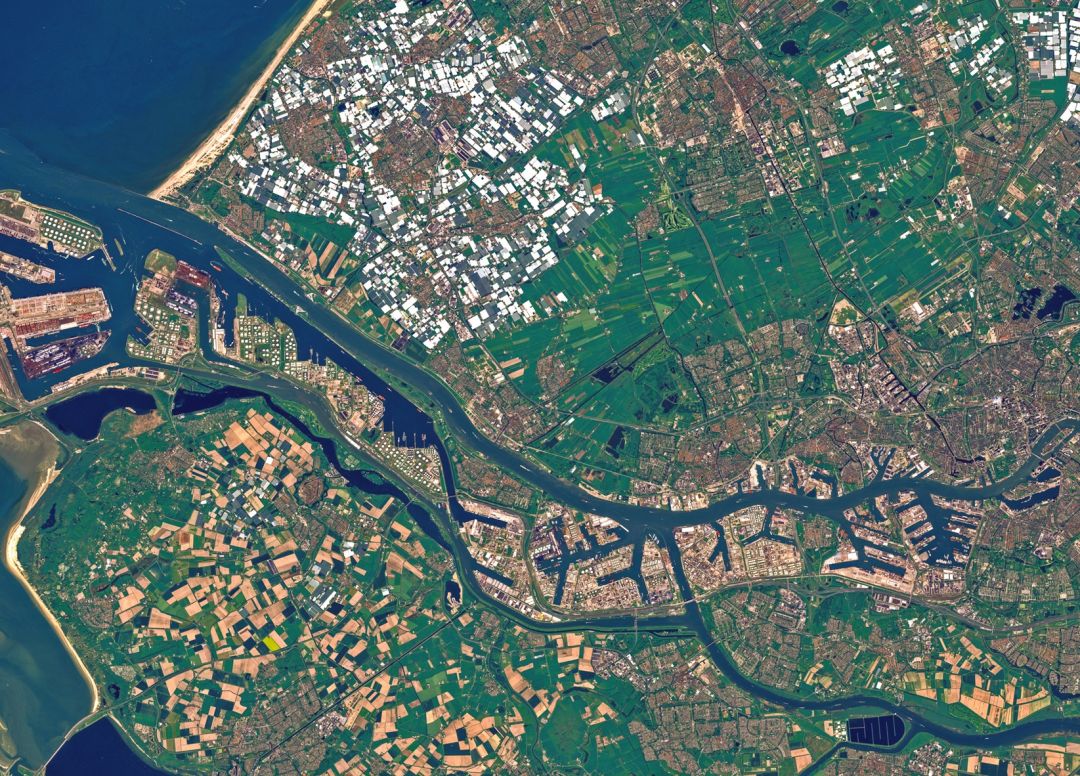
In the coming years, a dynamic new district called Rotterdams Tij will emerge in the area once earmarked for a stadium along the river Maas in Rotterdam. This development will include 4,750 homes, spaces for work, and recreational facilities. Located near the newly designed Getijdenpark on the Maas, Rotterdams Tij is part of the larger Stadionpark area and will be directly connected to the Feijenoord and Hillesluis districts in Rotterdam-Zuid. The district is divided into several subareas, including the completed Imagine, the soon-to-be-developed Mallegatplot and Colosseumplot, and the Waterkant, a key future subarea. For Waterkant, we undertook an extensive participation process, culminating in a detailed participation report.
This work was carried out on behalf of Stichting Gebiedsontwikkeling aan de Maas (StiGaM) in close collaboration with the Municipality of Rotterdam. Together, these stakeholders envisioned a renewed ambition for the Waterkant subarea. Our involvement followed years of providing strategic communication advice and public relations for Rotterdams Tij, in partnership with Campagne, supporting branding and content development.

After the Council of State rejected the original zoning plan in late 2022 and plans for a new stadium were cancelled, fresh strategies were needed for the area. Design firms EFFEKT, OMA, and LOLA created a consultation document to spark discussions among future residents, local stakeholders, property developers, and the municipality. Feedback from these discussions was compiled into a comprehensive participation report, offering valuable insights for the updated ambition document and the further development of Waterkant. In June 2024, the Rotterdam City Council approved the revised plans, including nearly 5,000 new homes that will significantly alleviate the city’s housing shortage.

THE QUESTION

StiGaM and the Municipality of Rotterdam tasked us with co-organizing a participation process to gather input from a diverse range of stakeholders, including future residents, local business owners, and community members. The goal was twofold:

  • To ensure the new plans reflected the community’s needs and aspirations.
  • To foster broad support for the development while building strong relationships with stakeholders.

Given Rotterdam-Zuid’s rich cultural diversity, we recognized the importance of tailoring our approach to reach a wide audience, taking into account age, cultural background, language, and digital literacy. This input was compiled into a participation report, which was also presented to the city council.

STRATEGY AND APPROACH

Our strategy focused on an accessible and inclusive participation process, blending qualitative input with quantitative results. A key challenge was ensuring we reached as many groups as possible, while maintaining a balanced representation of their voices. Moreover, we paid great attention to a balanced report, carefully weighing the different voices (quantitative versus qualitative) in the conclusion. Together with Environmental Managers Johanneke de Lint (StiGaM) and Theo Kion (Municipality of Rotterdam), we organized a variety of activities:

  • Walk-in evenings and neighborhood talks for direct engagement.
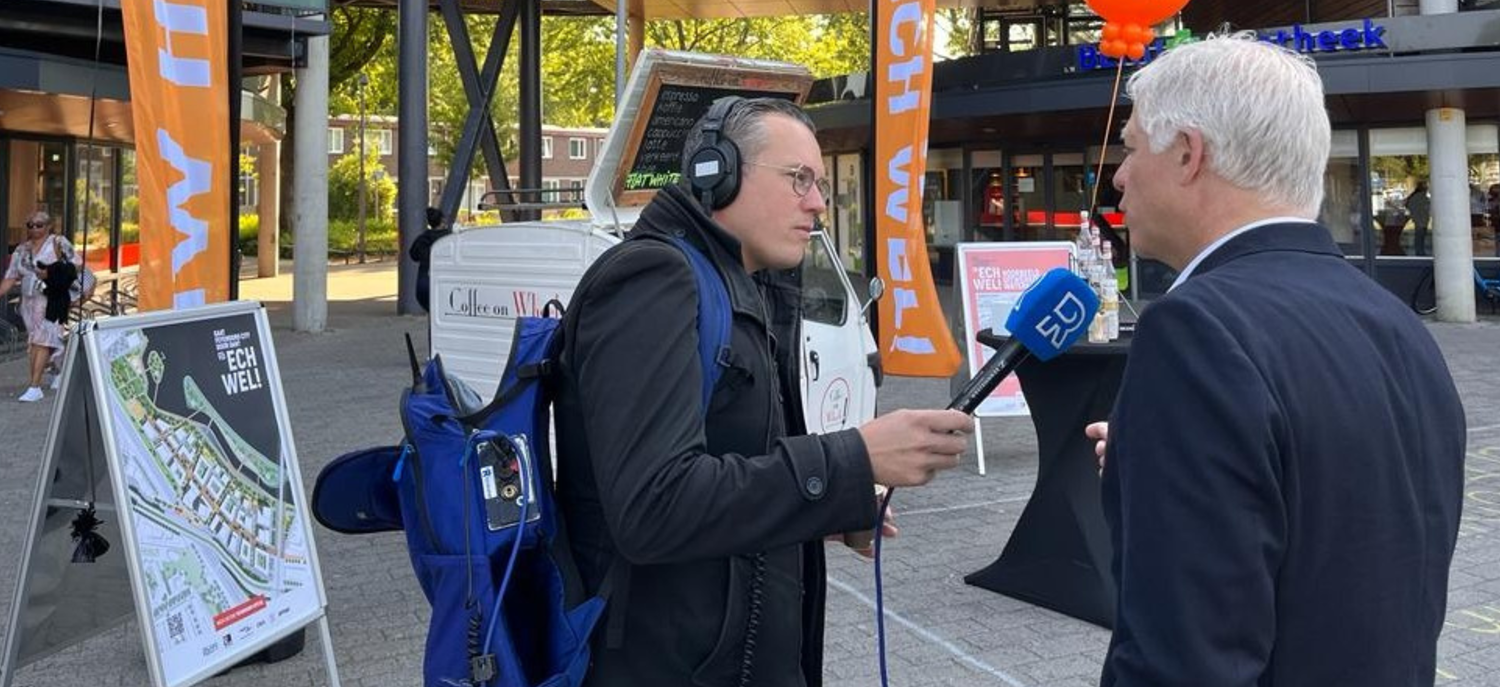
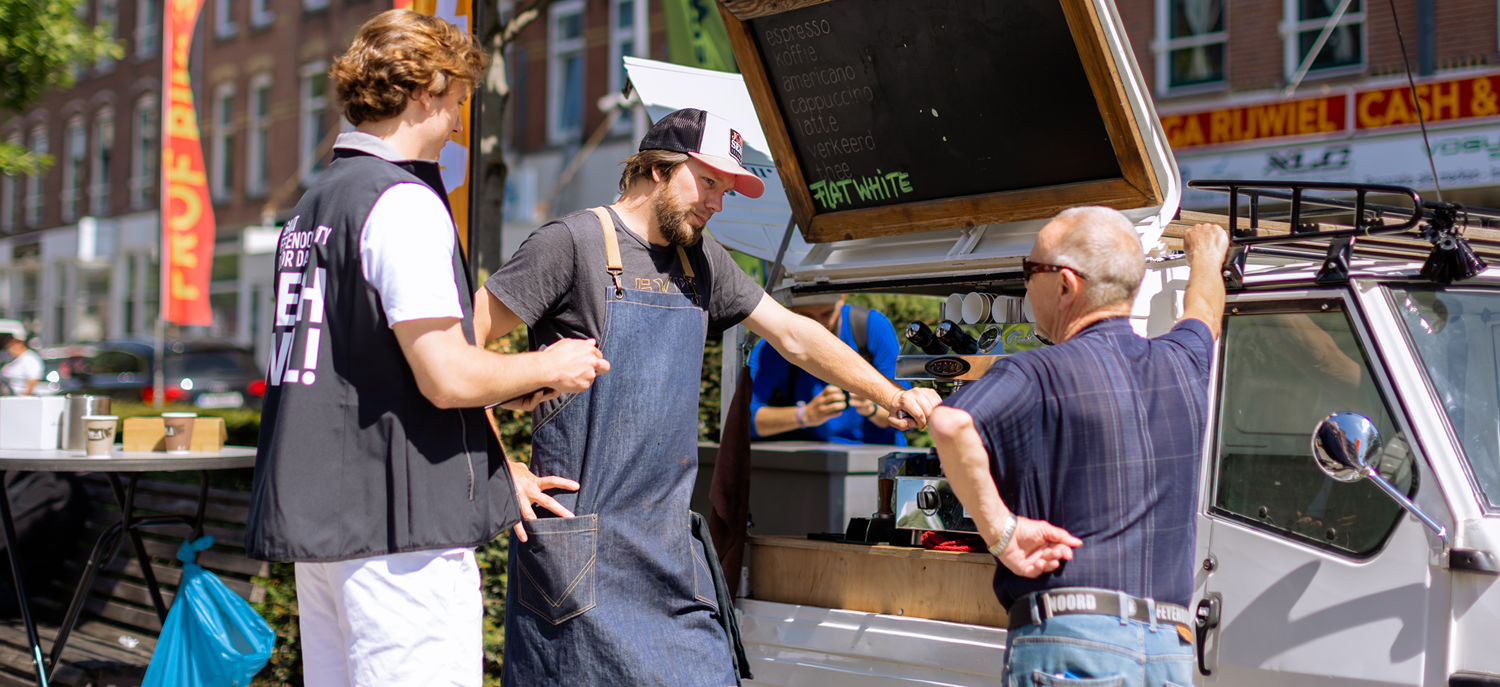
  • On-site events with a coffee cart (or an ice cream cart in warmer weather) to invite casual, low-threshold discussions.
  • Workshops and creative activities for children and young people, such as drawing, writing, and sticker boards.
  • Intensive small-group discussions with youth to capture deeper insights.
  • Online surveys and social media polls to reach digitally active residents.
  • Collaborative sessions with local organizations familiar with the community.
  • We also adapted throughout the process to fill gaps—for example, organizing additional events for young people when their input proved underrepresented.

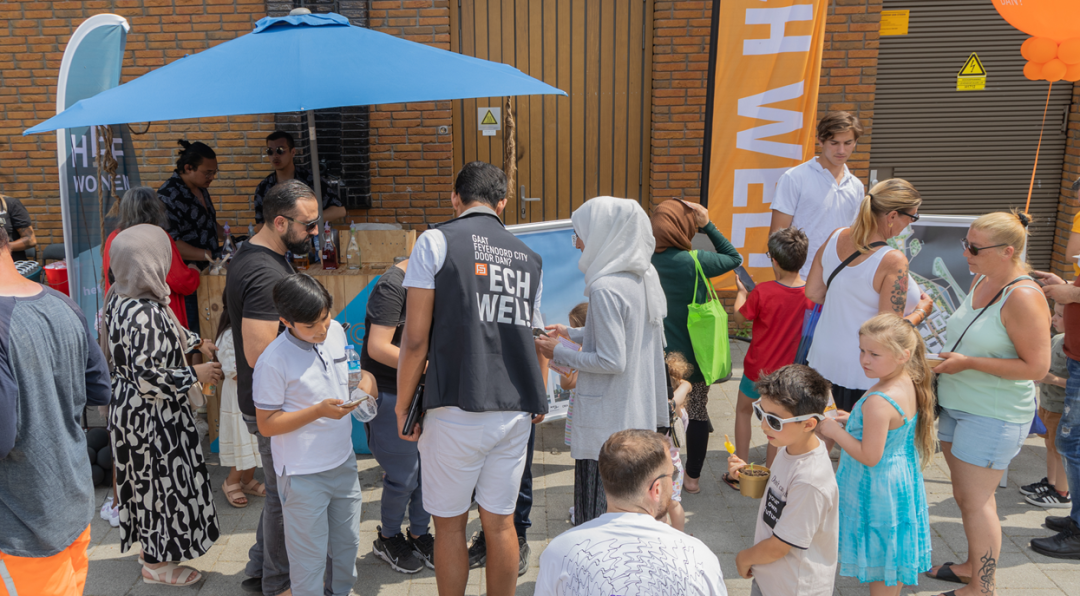
With the coffee cart, we visited busy places (such as the market, a children’s playground, neighbourhood party and shopping centre) in Rotterdam South to ask people for their opinions while enjoying a free cup of coffee. On hot days, an ice cream cart replaced the coffee cart. There were also drop-in afternoons and evenings where concerned local residents could go to receive more information and also share their views. Children and young people were questioned in a playful way by writing, drawing and putting stickers on posters during sports events. But we also had a more intensive discussion with a smaller group of children and young people in the neighbourhood.

Other activities were organised by StiGaM and the Municipality of Rotterdam (such as talks with a sounding board group, the neighbourhood councils, social entrepreneurs and students). We then integrated this collected input into the participation report. During the process, we continuously evaluated whether the input provided sufficient insights and whether we had achieved sufficient variation in the target group. For instance, when it turned out that we had not received enough input from young people, we chose to organise another participation activity for this.

Participation highlights

The participation process included a wide range of activities:

  • Informing neighborhood councils
  • Walk-in meetings and working sessions with stakeholders
  • Interviews with local business owners and entrepreneurs
  • Online surveys and social media polls
  • Creative projects with children and students
  • Short interviews at public spaces, festivals, and events
  • A Waterkant sounding board group, bringing together a variety of voices

This approach yielded a rich collection of responses, which directly influenced the vision for Waterkant.

These activities provided a rich collection of responses and insights, essential for the further development process of Waterkant.

RESULT

The participation process was a resounding success, marked by robust engagement and actionable insights:

  • Over 500 face-to-face interviews
  • 908 completed surveys
  • 188,470 social media views
  • 3,746 visits to Waterkant’s landing page
  • Coverage on TV and Radio Rijnmond
  • 60 registrations for the Waterkant sounding board group
  • Engagement across 19 locations in Rotterdam-Zuid
  • Participants ranging in age from 5 to 92 years old

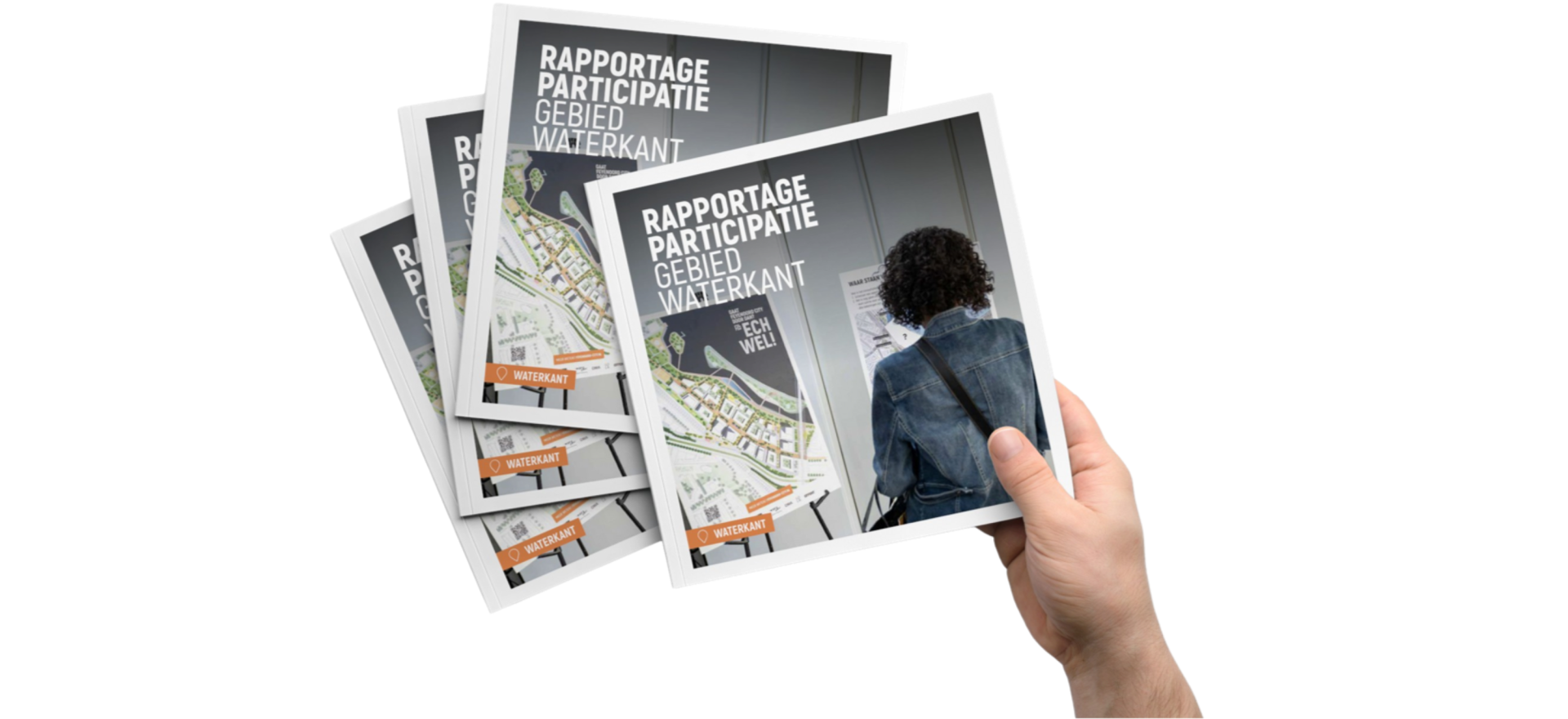
These contributions were distilled into the Participation Report for Waterkant, which shaped the Ambition Document and was key to the Rotterdam City Council’s approval of the Masterplan in June 2024. The council commended the process, with party DENK proposing a motion to apply lessons from this initiative to other large-scale developments in the city: ‘…following the good participation at Feyenoord City 2.0, draw up lessons learned for other participation projects in the city; ensure that these insights are also applied to future participation in large area developments in the city; ensure that this formidable form of participation is safeguarded…

Future and impact

The success of the Waterkant participation process not only advanced the development of Rotterdams Tij but also set a new standard for community engagement in Rotterdam. As we continue our work with StiGaM and the Municipality of Rotterdam, our focus will shift to promoting this vibrant new district and communicating ongoing developments.

This project represents a proud milestone in inclusive urban planning, ensuring that Waterkant will truly reflect the voices and needs of its community.